Our Blogs

Insights on CAD drafting, construction trends, and best practices for 2025.

CAD Drafting: A Key to Sustainable Design and Green Building

Published: November 11, 2025, 03:24 PM +07

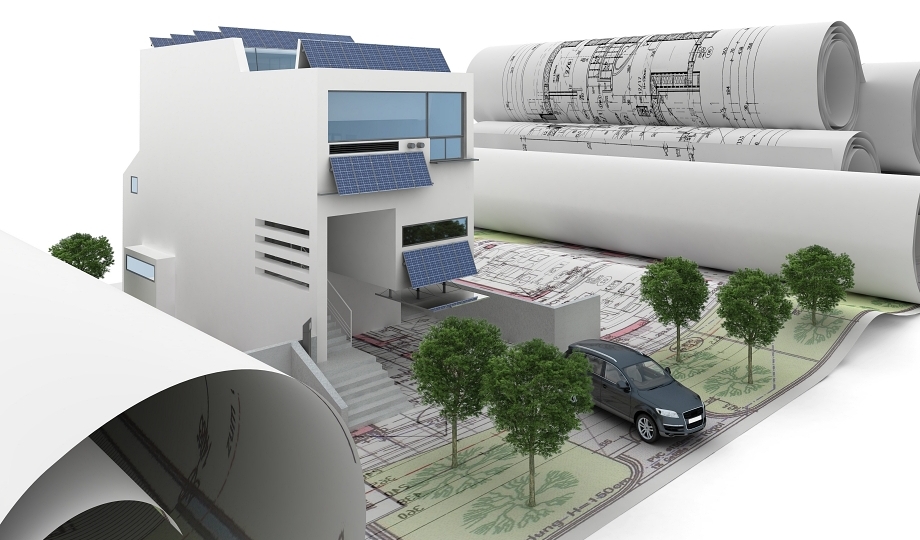
In 2025, CAD drafting is revolutionizing sustainable construction by enabling energy-efficient designs and waste reduction. From simulating solar panels to optimizing material use, our tools ensure eco-friendly projects that meet green standards.

CAD Drafting for Sustainable Design - Eco-friendly building model in CAD, with green energy elements.

Top CAD and Drafting Design Trends to Watch in 2025

Published: November 5, 2025, 10:00 AM +07

AI integration and cloud-based CAD are transforming drafting. Explore how automation and 3D printing will streamline construction workflows, reducing development time by up to 30%.
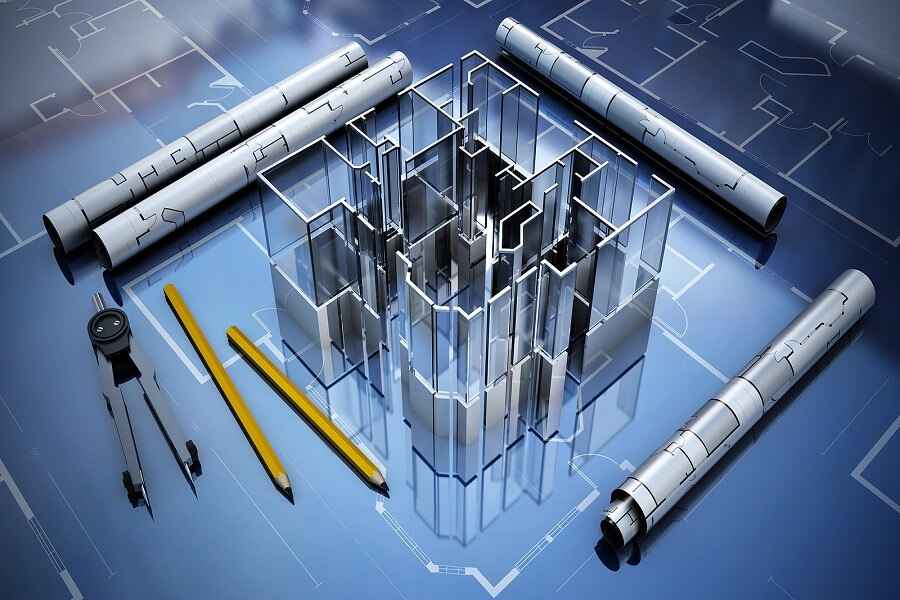
CAD Trends 2025 - Futuristic CAD interface with AI features for construction.

The Role of CAD Drafting in Precise Construction Documentation

Published: October 20, 2025, 02:30 PM +07

CAD ensures accurate 2D/3D documentation for compliance and permits. Learn how tools like AutoCAD and Revit minimize errors and facilitate smooth approvals in building projects.
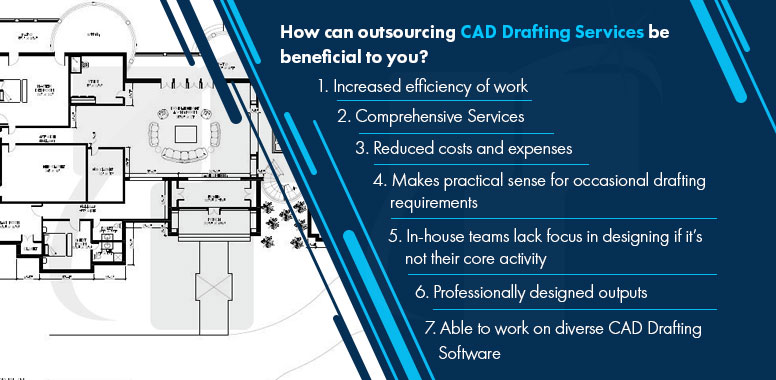
CAD for Construction Documentation - Detailed blueprint with annotations for compliance.

Why U.S. Interior Firms Are Outsourcing CAD Drafting in 2025

Published: September 15, 2025, 09:15 AM +07

Outsourcing CAD saves 40-60% on costs while freeing teams for creativity. Discover how U.S. firms use offshore partners for faster turnaround in interior design projects.
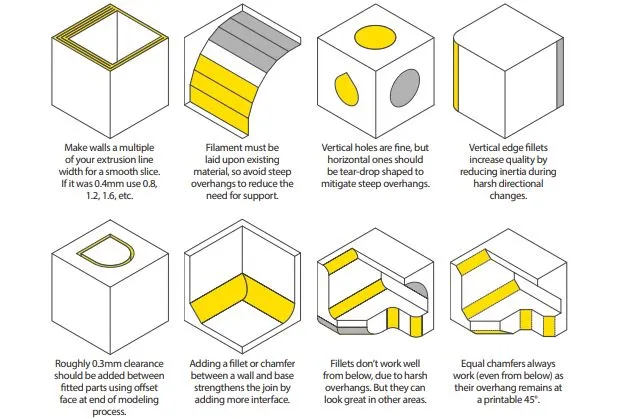
Outsourcing CAD Drafting - Remote team working on interior design CAD files.

Top 5 Tips for Effective 3D Drafting in Construction

Published: October 16, 2025, 01:45 PM +07

From layer management to virtual testing, these tips boost efficiency in 3D drafting. Apply them to reduce revisions and enhance collaboration in building projects.
3D Drafting Tips - 3D model with tips overlay for construction efficiency.

The Future of BIM: Revolutionizing Construction in 2025

Published: November 11, 2025, 03:27 PM +07

Building Information Modeling (BIM) is transforming the construction industry by integrating 3D models with rich data to enhance planning, coordination, and execution. In 2025, BIM is at the forefront of construction innovation, offering significant advantages that are reshaping how projects are designed and built. This technology enables real-time collaboration among architects, engineers, and contractors, reducing costs by up to 20% and minimizing delays through proactive clash detection and resolution.

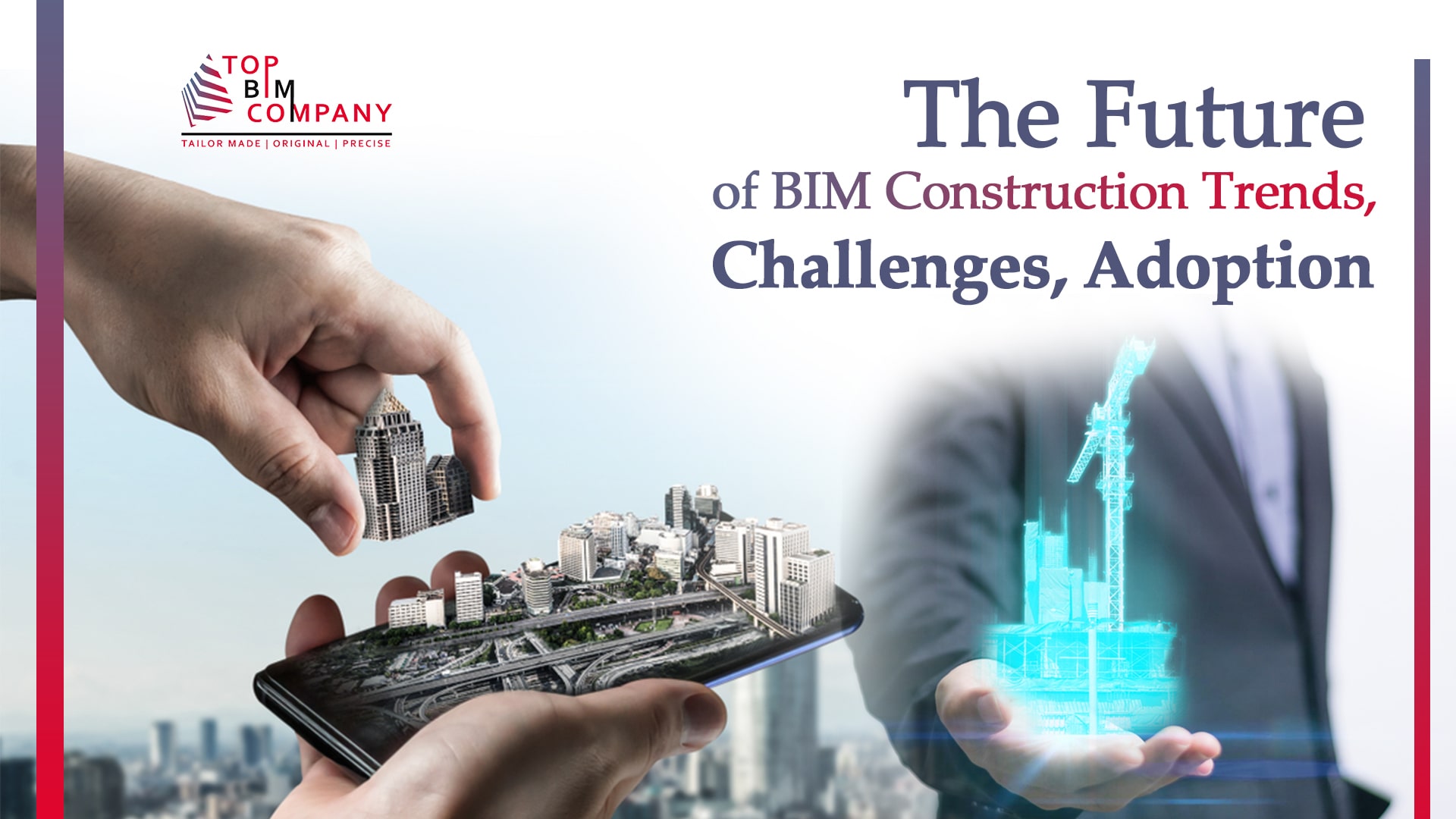
The Future of BIM - 3D BIM model showcasing integrated building systems and data analysis for 2025 construction trends.

One of the key benefits of BIM is its ability to create a digital twin of a building, providing a comprehensive view that includes structural, mechanical, electrical, and plumbing (MEP) systems. This holistic approach allows for better decision-making throughout the project lifecycle, from initial design to facility management. For instance, BIM facilitates the simulation of energy performance, helping architects design buildings that meet stringent sustainability goals, such as LEED certification, which is increasingly demanded in 2025.

BIM Digital Twin - Detailed digital twin of a building with integrated MEP systems, highlighting real-time data visualization.

Advanced tools like Autodesk Revit, Navisworks, and Tekla are driving BIM adoption, with cloud-based platforms enabling seamless data sharing across global teams. These technologies support 4D (scheduling) and 5D (cost estimation) extensions, allowing project managers to visualize timelines and budgets with unprecedented accuracy. In practice, a recent project by Pro CAD Drafter utilized BIM to coordinate a multi-story commercial building, identifying and resolving over 50 potential clashes before construction began, saving an estimated $500,000 in rework costs.

BIM Clash Detection - Example of a BIM model with highlighted clashes between structural and MEP systems, resolved pre-construction.

Looking ahead, the future of BIM in 2025 includes the integration of Artificial Intelligence (AI) and Internet of Things (IoT) devices. AI can analyze BIM data to predict maintenance needs, while IoT sensors provide real-time feedback from the construction site, enhancing adaptability. Additionally, the rise of 6D BIM—focusing on sustainability and lifecycle management—is gaining traction, ensuring buildings remain efficient long after completion. This evolution positions BIM as a cornerstone of smart construction, aligning with global trends toward greener and more resilient infrastructure.

6D BIM Example - 6D BIM model showing lifecycle management data, including energy usage and maintenance schedules for a sustainable building.

At Pro CAD Drafter, we are committed to leveraging BIM to deliver cutting-edge solutions. Whether it’s optimizing design workflows or ensuring compliance with the latest standards, our expertise ensures your projects benefit from this transformative technology. Stay tuned for more insights on how BIM can elevate your next construction endeavor!